

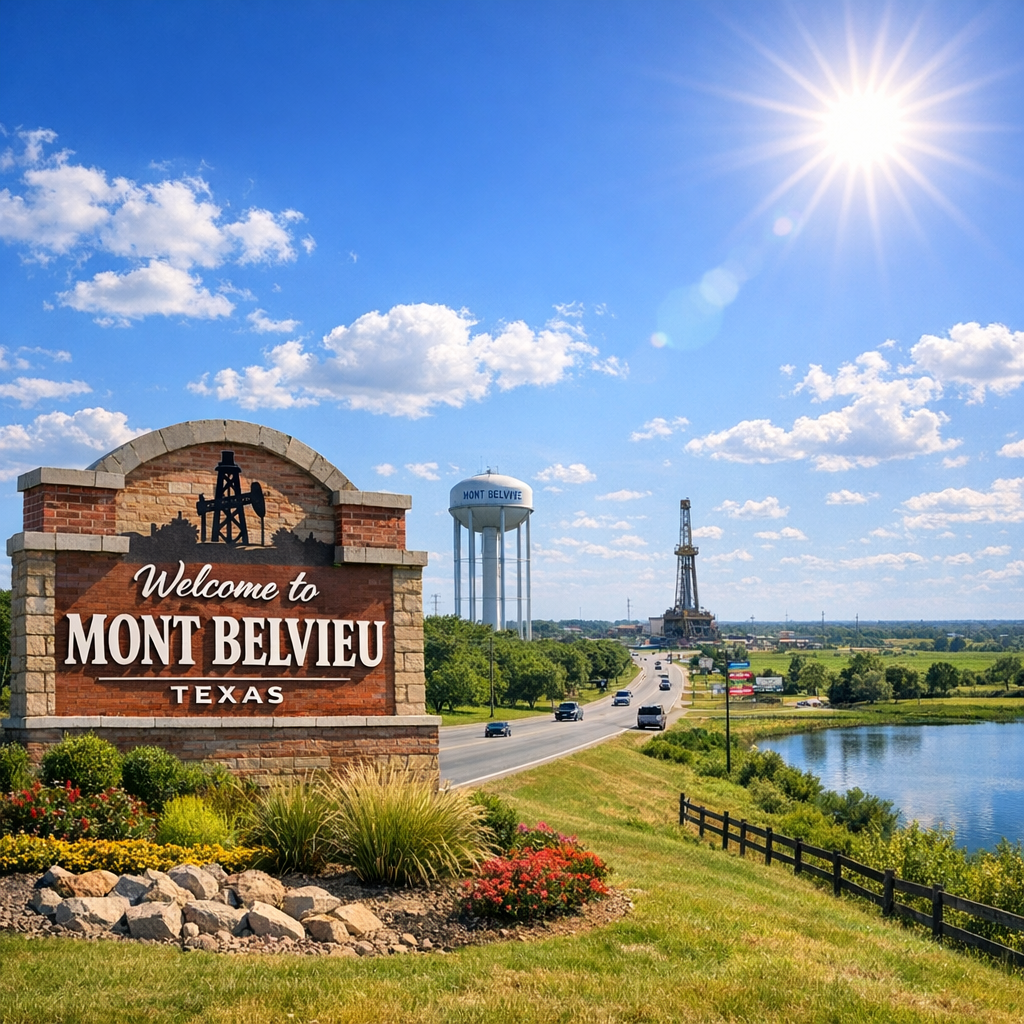
Mont Belvieu, Texas, experiences a humid subtropical climate characterized by hot, humid summers and mild winters. Understanding these patterns is essential for residents and visitors alike.
Seasonal Overview
Summer (June to September)
Summers are long and hot, with average high temperatures ranging from 89.8°F (32.1°C) in June to 92.5°F (33.6°C) in August. Humidity levels are high, making the heat feel more intense. Rainfall is also significant during this period, with June averaging 5.85 inches and August 6.21 inches. Thunderstorms are common, often providing brief relief from the heat.
Autumn (October to November)
Autumn brings a gradual cooling, with October averaging highs of 80.1°F (26.7°C) and November 69.4°F (20.8°C). Rainfall remains moderate, with October receiving about 5.7 inches. This season is often considered pleasant, with comfortable temperatures and lower humidity.
Winter (December to February)
Winters are short and mild. December sees average highs of 62.1°F (16.7°C), while January, the coldest month, averages 60.1°F (15.6°C). Freezing temperatures are rare, and snowfall is virtually nonexistent. Rainfall during these months averages around 4.6 inches.
Spring (March to May)
Spring is marked by warming temperatures and increased rainfall. March averages highs of 70.9°F (21.6°C), climbing to 83.8°F (28.8°C) by May. Rainfall peaks in May, averaging 5.54 inches, contributing to lush landscapes and blooming flora.
Environmental Considerations
Mont Belvieu’s climate supports a diverse ecosystem, but it also presents challenges. The high humidity and warmth can foster mold growth and attract pests. Residents should ensure proper home ventilation and consider pest control measures.
Water quality is another important aspect. The city has reported contaminants above health guidelines in its water supply. Residents are encouraged to stay informed about water quality reports and consider appropriate filtration systems.
Additionally, Cotton Bayou has experienced elevated bacteria levels since 2010, posing potential health risks for recreational activities. Efforts are ongoing to address this issue, and residents should stay updated on water quality advisories.
Understanding Mont Belvieu’s climate and environmental factors enables residents to make informed decisions, ensuring a safe and comfortable living environment.